A Family Guide to Train Travel Across Japan
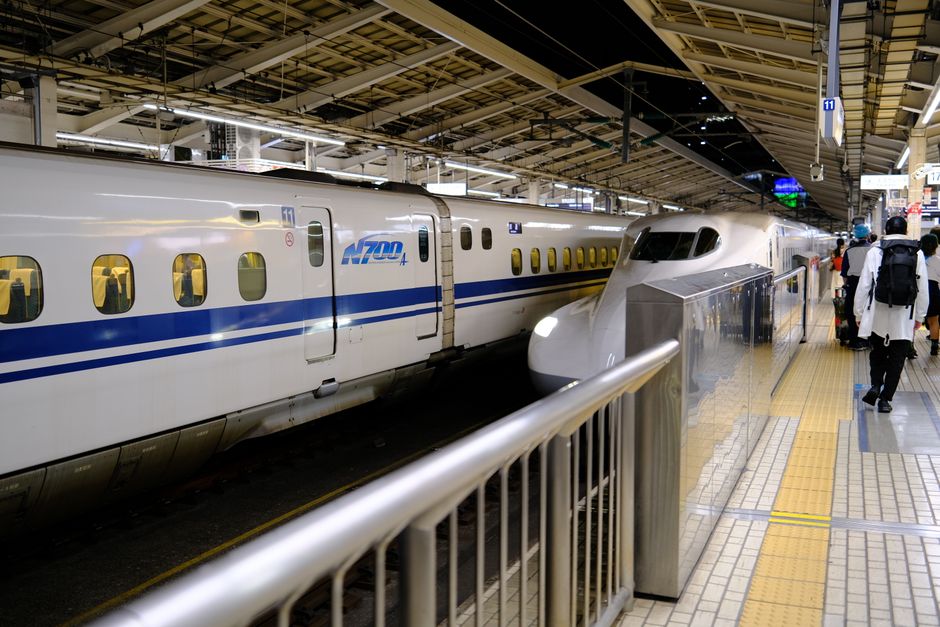
Traveling across Japan by train presents a structured and efficient way to experience the country’s diverse regions, and for families with children, it offers a unique set of considerations and advantages. The rail network is extensive, punctual, and generally accommodating to passengers of all ages, which can make it a practical choice for those navigating with younger travelers. Understanding the fundamental aspects of the system, from ticket types to station facilities, can help families plan a journey that aligns with their pace and interests. This guide outlines key information for families considering train travel in Japan, focusing on the use of JR Passes, the importance of reserved seats, strategies for managing luggage, and insights into schedules. It also highlights some kid-friendly stops along popular routes, providing a framework for planning without prescribing specific itineraries. The goal is to equip families with the knowledge to make informed decisions that suit their individual needs.
Japan’s rail infrastructure is renowned for its reliability and coverage, connecting major cities, rural areas, and scenic spots. For families, this means the ability to move between destinations without the need for a car, which can simplify travel logistics. However, the system also has its own etiquette and operational nuances that are helpful to understand in advance. By approaching train travel with preparation and flexibility, families can navigate the network smoothly and focus on enjoying their time together. This article provides a neutral overview of the processes and options available, without assuming responsibility for individual travel outcomes, as many factors such as weather, crowd levels, and personal preferences can influence the experience.
Before delving into specifics, it’s worth noting that train travel in Japan can be adapted to various family dynamics, whether traveling with toddlers, school-age children, or teenagers. The information here is intended to serve as a general guide, and travelers are encouraged to verify details with official sources or trusted travel advisors like Wanderlust Guides when planning their trips. The following sections explore the practical elements of using JR Passes, securing seats, managing luggage, understanding schedules, and identifying kid-friendly stops, all within the context of a family journey.
Understanding JR Passes and Ticket Options
The Japan Rail Pass, commonly known as the JR Pass, is a discounted ticket available to foreign tourists visiting Japan. It offers unlimited travel on most JR trains, including bullet trains (Shinkansen), limited express trains, and local lines, as well as some JR buses and ferries. For families, the pass can be a cost-effective option if they plan to travel extensively across multiple regions. However, it’s important to note that the pass must be purchased before arriving in Japan, and there are different types for adults and children. Children under six years old typically travel free when not occupying a reserved seat, while those aged six to eleven require a child pass. The pass does not cover certain trains, such as the Nozomi and Mizuho Shinkansen services, so families should check which trains are included before planning their routes.
When considering a JR Pass, families should evaluate their travel itinerary against the pass’s validity periods, which range from seven to twenty-one days. If the planned journeys are limited to a specific region, regional rail passes might be more suitable. These passes, such as the JR East Pass or JR Kansai Area Pass, offer unlimited travel within a designated area and can be more economical for shorter trips. It’s also worth noting that some passes allow for seat reservations without additional cost, which can be beneficial for families wanting to sit together. The decision between a nationwide JR Pass and a regional pass depends on the extent of travel and the specific destinations. Families may find that a combination of passes or individual tickets works best, and consulting official JR websites or travel professionals can clarify the options.
In addition to passes, families should be aware of the different seat types available on Japanese trains. Ordinary cars are the standard, while Green Cars offer more spacious seating and quieter environments for an extra fee. For families with young children, the extra space in Green Cars might be appealing, but it’s not necessary on all routes. When using a JR Pass, travelers can make seat reservations at no extra cost at ticket offices or reserved seat ticket machines. This is a key step in ensuring a comfortable journey, especially during peak travel seasons when trains can be crowded. Without a reservation, families may need to use non-reserved seating, which is on a first-come, first-served basis and can be challenging with children and luggage. Therefore, understanding how to make reservations is an integral part of planning train travel with a JR Pass.
Reserving Seats for Family Comfort
Reserving seats on Japanese trains is a straightforward process that can significantly enhance the travel experience for families. Seat reservations can be made at JR ticket offices (Midori-no-Madoguchi), at reserved seat ticket machines found in major stations, or online through the JR reservation system for some passes. When making a reservation, families can request seats together, and many trains have specific family-friendly seating areas or cars with space for strollers. It’s advisable to make reservations as early as possible, especially for popular routes like the Tokaido Shinkansen between Tokyo and Osaka, or during holiday periods such as Golden Week and Obon. Reservations can typically be made one month in advance, and for JR Pass holders, the reservation fee is waived.
For families traveling with young children, it’s important to know that children under six who do not occupy a seat can travel free, but if a seat is desired, a child fare applies. When reserving, families should specify the number of adults and children to ensure appropriate seating. Some trains have ‘family cars’ or ‘women and children’ cars, though these are not available on all services. On the Shinkansen, seats are arranged in rows of five (3+2 configuration), so a family of four can often sit together in a row with two seats on one side and two on the other. For larger families, it may be necessary to reserve seats across multiple rows. Additionally, strollers can be brought on board, but they must be folded and stored in the luggage area or behind the last row of seats. Having a reservation helps avoid the stress of finding seats together, particularly when boarding at intermediate stations where trains may already be full.
It’s also worth noting that some trains, such as the Hayabusa and Kagayaki Shinkansen services, are fully reserved, meaning all passengers must have a seat reservation. On these trains, standing is not permitted, so families must secure reservations before boarding. For other trains, non-reserved cars are available, but they can fill up quickly. Families should also be aware that seat reservations can be changed or canceled without penalty if done before departure, providing flexibility if plans change. When traveling with children, it can be helpful to review the train’s layout and amenities beforehand, such as whether there are diaper-changing facilities or baby changing tables on board. These details can be found on JR websites or by asking station staff. Overall, proactive seat reservation is a key strategy for a smooth family train journey.
Luggage Strategies for Train Travel
Managing luggage on Japanese trains requires some planning, as space is often limited compared to other modes of transport. On Shinkansen and limited express trains, there are overhead racks and spaces at the end of each car for larger items, but these can fill up quickly. Families with multiple suitcases or bulky items like strollers should consider using luggage delivery services (takkyubin) to send their bags ahead to their next hotel, which allows them to travel with only essentials. This service is widely available and reliable, and it can be arranged at convenience stores or hotel front desks. Alternatively, families can pack lighter and use coin lockers at major stations for temporary storage. It’s important to note that on some trains, such as the Tokaido Shinkansen, passengers with oversized luggage (over 160 cm in total dimensions) must reserve a special seat with extra luggage space. This rule applies to all passengers, including JR Pass holders, and failure to reserve may result in a fee or being denied boarding.
When traveling with children, it’s helpful to have a daypack with snacks, entertainment, and changes of clothes for easy access, while larger luggage is stored away. Many trains have spaces near the doors for strollers, but they must be folded and should not block aisles or emergency exits. Families should also be mindful of not overpacking, as navigating busy stations with multiple bags and children can be challenging. Using a backpack or a wheeled carry-on for each adult can make movement easier. On overnight trains or long journeys, a small pillow and blanket can add comfort for children. It’s also advisable to label luggage with contact information in case it gets misplaced. By planning luggage logistics in advance, families can reduce stress and focus on the journey.
Another consideration is the etiquette of luggage on trains. In Japan, it’s customary to keep bags off seats and to avoid blocking aisles. When storing luggage in overhead racks, ensure it is secure and does not protrude. For families with babies, diaper bags can be kept at the seat for quick access. Some trains have multi-purpose rooms that can be used for nursing or changing, but these are limited and may require reservation. It’s a good idea to check the train’s facilities before boarding. Additionally, if traveling during peak times, such as rush hour in cities, it may be better to avoid bringing large luggage on commuter trains. Instead, plan to travel during off-peak hours or use alternative routes. Overall, a combination of packing light, using delivery services, and utilizing station facilities can make luggage management more manageable for families.
Navigating Schedules and Transfers
Japanese trains are known for their punctuality, and schedules are readily available through various apps and websites, such as Jorudan, Hyperdia, and Google Maps. For families, it’s important to build in buffer time for transfers, especially at large stations like Tokyo, Osaka, and Kyoto, where navigating between platforms can take several minutes. Children may need extra time to walk, use restrooms, or buy snacks, so planning for a relaxed pace can prevent rushing. When using a JR Pass, families can take advantage of the flexibility to hop on and off trains, but they should still check timetables to avoid long waits at stations. It’s also worth noting that some rural lines have infrequent services, so missing a train could mean a significant delay. Therefore, having a backup plan or alternative routes can be helpful.
For families with young children, traveling during off-peak hours is often more comfortable. Early morning or mid-afternoon trains tend to be less crowded than rush hour or late evening services. On weekends and holidays, trains to popular tourist destinations can be busy, so reserving seats in advance is recommended. When making transfers, look for elevators and escalators to avoid stairs with luggage and strollers, as many major stations are equipped with barrier-free access. Station staff are generally helpful and can provide directions or assistance if needed. It’s also a good idea to familiarize children with train etiquette, such as speaking quietly and not running on platforms, to ensure a pleasant experience for everyone. Additionally, some trains offer food and beverage services, but it’s always wise to carry snacks and water, especially for longer journeys.
Another aspect of scheduling is the availability of train services during special events or seasons. For example, during cherry blossom season or autumn foliage, certain scenic lines may have additional services or require reservations. Families should check for any planned maintenance or disruptions that could affect their route. The JR website and app provide real-time updates, and station information boards display train statuses. It’s also useful to know that some trains, like the Shinkansen, have designated smoking areas or are entirely non-smoking, which can be relevant for families. When traveling with children, it’s advisable to have entertainment ready for delays, though they are rare. By staying informed and flexible, families can navigate schedules and transfers with relative ease.
Kid-Friendly Stops Along Popular Routes
Japan offers numerous destinations that appeal to families, and many are easily accessible by train. Along the Tokaido Shinkansen route between Tokyo and Osaka, families might consider stops like Kyoto, with its historic temples and interactive museums, or Nara, where deer roam freely in parks. In Tokyo, the Ueno area is home to Ueno Zoo and several museums, while Odaiba offers science museums and amusement facilities. For those traveling further west, Hiroshima’s Peace Memorial Park provides a somber but educational experience, and Miyajima Island, with its floating torii gate, is a short ferry ride from Hiroshima Station. These stops can be integrated into a train itinerary, allowing families to break up longer journeys with interesting activities. It’s important to note that some attractions may require additional travel by bus or taxi, so planning the full route in advance is beneficial.
On the JR East network, families can explore destinations like Nikko, with its ornate shrines and natural scenery, or Karuizawa, a popular resort town with outdoor activities. The Hokuriku Shinkansen extends to Kanazawa, known for its well-preserved samurai and geisha districts, and Kenrokuen Garden, which is stroller-friendly. In Hokkaido, the Shinkansen reaches Hakodate, where families can visit the morning market and ride the ropeway to Mount Hakodate for panoramic views. In Kyushu, the Shinkansen connects to Kumamoto, where Kumamoto Castle and the Suizenji Garden are family-friendly attractions. Each of these stops offers amenities such as parks, restaurants with child seats, and accessible facilities. When planning, families should consider the time needed at each stop and whether an overnight stay is required. Using a JR Pass, multiple stops can be included without additional ticket costs, making it a flexible way to explore.
For families seeking more off-the-beaten-path experiences, rural lines like the JR Tadami Line offer scenic views and a slower pace, though they may require more planning due to infrequent services. It’s always a good idea to check the availability of elevators, nursing rooms, and playgrounds at stations and nearby areas. Many train stations in Japan have baby changing facilities and designated waiting areas for families. Additionally, some tourist information centers provide maps and advice tailored to families. Wanderlust Guides suggests that families research their chosen stops to ensure they align with their children’s interests and energy levels. By selecting a mix of urban and natural attractions, families can create a balanced itinerary that keeps everyone engaged. Ultimately, the key is to remain flexible and enjoy the journey as much as the destinations.